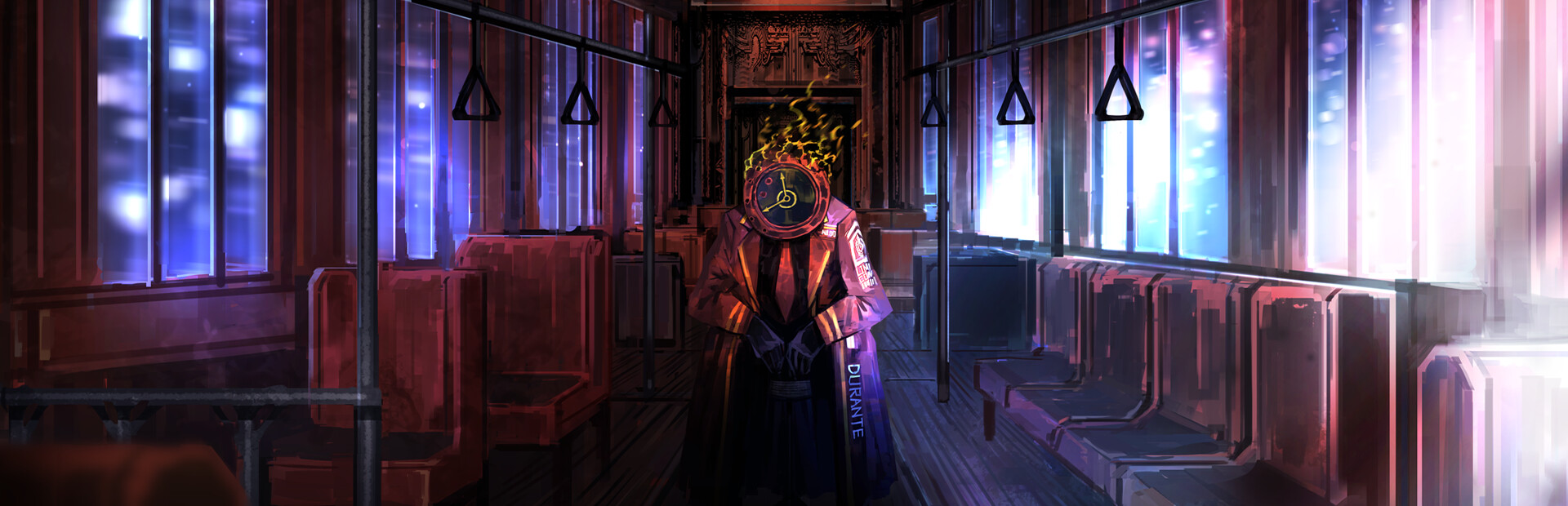
Limbus Company In Hell We Live Lament: The Full Song Guide
Discover the lore and production behind Limbus Company In Hell We Live Lament. Explore the lyrics, artist credits, and the song's impact on the game's atmosphere.
Published: Limbus Company Wiki Editorial Team
Video Guide
Mili - In Hell We Live, Lament feat. KIHOW from MYTH & ROID / Limbus CompanyTable of Contents
The haunting melodies of the ProjectMoon universe have always been central to its immersive storytelling, and no track captures the tension of the game better than the Limbus Company in hell we live lament. As the primary gateway for players entering the chaotic world of the sinners, this song sets the tone for every journey you undertake. Understanding the depth of this musical masterpiece can significantly enhance your appreciation for the narrative weight carried by the game’s opening animation.
Whether you are a seasoned player or a newcomer curious about the soundtrack, the Limbus Company in hell we live lament serves as more than just background noise; it is a narrative pillar. In this guide, we explore the origins, the lyrical composition, and why this track remains an essential component of the ProjectMoon experience.
The Origins and Production of the Anthem
The song first emerged as a trailer-sized teaser on November 19, 2021, instantly hooking the community with its dark, driving rhythm. The full version was released on December 20, 2021, cementing its status as an iconic piece of the game's identity.
Produced by the renowned group Project Mili, the track features the distinct, ethereal vocals of Cassie Wei and the powerful contribution of KIHOW from MYTH & ROID. This collaboration was intentional from the start, designed to represent a dialogue between two versions of the same person across fractured timelines.
Production Credits Overview
Credit Role
Contributor
Vocals
Cassie Wei, KIHOW (MYTH & ROID)
Lyrics
Cassie Wei
Music
Cassie Wei & Yamato Kasai
Arrangement
Yamato Kasai
Mastering
John Davis (Metropolis Studios)
As noted in community discussions and Q&A sessions with the artists, the creative intent was to mirror the game’s core themes of suffering, cyclical time, and the struggle to find meaning in a world built on despair.
Decoding the Lyrics and Narrative Significance
The lyrics of the Limbus Company in hell we live lament are deeply symbolic. They touch upon the concept of "forbidden fruit," the cyclical nature of death, and the crushing weight of existential dread. When you listen to the track, you aren't just hearing a song; you are hearing the internal monologue of the sinners as they navigate the hellish reality of the City.
Key Lyrical Themes
Cyclical Suffering: The phrase "Each loop we die through" highlights the recurring nature of the characters' struggles.
The Search for Meaning: The dialogue between the two vocalists represents the duality of the self and the attempt to rationalize sin.
The Infernal Setting: References to the "inferno" and "burning routes" serve as a constant reminder of the stakes in the game’s world.
Many players find that after analyzing the lyrics, their perception of the opening animation shifts, revealing hidden details about the characters' pasts and their desperate search for the Golden Boughs.
How the Song Shapes the Gaming Experience
The Limbus Company in hell we live lament isn't restricted to the opening cinematic. It permeates the game’s atmosphere, appearing in various forms to signal major narrative shifts. For those who want to dive deeper into the game's lore, you can visit the official Steam page to explore the full scope of the experience provided by ProjectMoon.
Musical Variations in-Game
Version
Context of Use
Full Version
Opening Animation
Instrumental
Title Screen (Before Main Menu)
Let's Lament
Specific Event Variant (Jan 2024)
The instrumental version is particularly effective at creating a sense of anticipation. By removing the vocals, the track allows the player to focus on the weight of the decisions they are about to make, grounding them in the game's somber, yet beautiful, aesthetic.
Community Reception and Legacy
Within the ProjectMoon community, the song is regarded as a masterpiece. Players often cite it as the moment they realized Limbus Company would be a unique narrative experience. According to community reports, the track’s popularity even led to the development of several event-specific variants, such as the "Let's Lament" version released alongside Between Two Worlds.
Why Fans Love the Track
Emotional Resonance: The blend of Mili’s signature style with the aggressive, dramatic flair of MYTH & ROID creates a unique emotional tension.
Lore Connection: It bridges the gap between the player's perspective and the internal turmoil of the Sinners.
High-Quality Production: The mastering by John Davis at Metropolis Studios ensures that the track maintains its clarity even through the intense, layered instrumentation.
Tip
Enhance Your Listening Experience
To truly appreciate the layers of the song, try listening to the instrumental and vocal versions back-to-back. You will notice subtle motifs in the arrangement that reflect the Sinner's journey and the chaos of the City.
Frequently Asked Questions
Is the Limbus Company in hell we live lament available as an OST?
Yes, the track is considered a staple of the game’s soundtrack. It is officially associated with the opening animation and title screen, and it is widely recognized as the main theme of the game.
What do the Italian phrases in the lyrics mean?
The Italian phrases, such as "Nell inferna" (In hell) and "Cossa non naturha" (What is not natural), serve to heighten the operatic and tragic feel of the song, emphasizing the "inferno" the characters are trapped within.
Where can I hear the "Let's Lament" version?
The "Let's Lament" variant was released on January 21, 2024. You can find this version through official ProjectMoon social channels or by searching the community-maintained databases, which track all official game media.
Does the song change based on my game progress?
While the main theme remains constant at the title screen, the emotional weight of the song changes as you unlock more of the story. By the time you reach the later chapters, the lyrics "Why'd you crown the most violent to be champions?" take on a much darker, more personal meaning.