
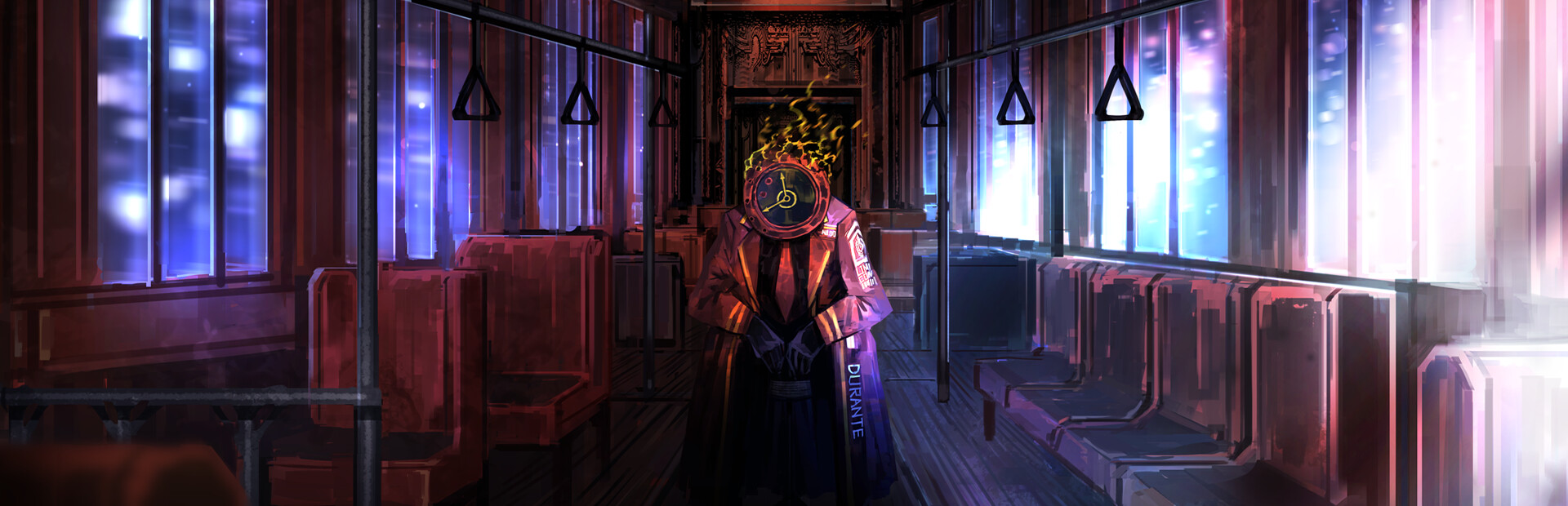
The soundtrack of Project Moon’s Limbus Company is widely considered one of the most integral components of its storytelling. Among the many tracks that heighten the tension of the game’s dramatic narrative, Limbus Company Through Patches of Violet stands out as a pivotal piece of musical composition. This song not only defines the climax of Canto VI but also encapsulates the tragic, cyclical nature of Heathcliff and Catherine’s story.
For many players, finding the right music to accompany their gameplay experience is essential, and understanding the context of such a powerful track makes the journey through the game's dungeons much more immersive. Whether you are a long-time fan of the Limbus Company soundtrack or a new player wondering why this specific song is so frequently discussed in the community, this guide will walk you through the significance of Limbus Company Through Patches of Violet, its production, and its impact on the game's narrative.
Understanding the Significance of Through Patches of Violet
The track serves as the thematic anchor for Canto VI, reflecting the internal turmoil, regret, and distorted love that defines the chapter. In the world of Limbus Company, music is rarely just background noise; it is a narrative tool used to convey the emotional state of the Abnormalities and the Sinners alike.
When players engage with the Canto VI boss encounters, the song acts as a bridge between the player's actions and the characters' history. The song is not merely a background track; it is a dialogue between two souls—Heathcliff and Catherine—trapped in a cycle of suffering. By examining the lyrics and the composition, players can gain a deeper understanding of the "Wuthering" themes that permeate the chapter.
Musical Composition and Technical Production
The collaboration between Project Moon and the band Mili has become a hallmark of the Limbus Company experience. Mili, led by Cassie Wei and Yamato Kasai, brings a distinct, ethereal, and often melancholic style that perfectly complements the dark, surreal aesthetic of the game.
The production of this specific track involved a high level of technical precision to ensure that the music evolved alongside the battle phases. Below is a breakdown of the production credits for the track.
| Role | Contributor |
|---|---|
| Artist | Mili |
| Vocals | Cassie Wei |
| Lyrics | Cassie Wei |
| Music | Cassie Wei & Yamato Kasai |
| Arrangement | Yamato Kasai |
| Mixing & Recording | Satoshi Yoneda |
| Mastering | Akihiro Shiba (TEMAS) |
The song’s construction is unique because it is designed to be experienced in fragments before being fully realized. This "progressive" nature of the song mirrors the player's progression through the story dungeon, making the final, full version of the track feel like a hard-earned reward for those who have weathered the challenges of the Canto.
Analyzing the Lyrics and Narrative
The lyrics of Limbus Company Through Patches of Violet are a masterclass in storytelling through song. They are not simply abstract words but are deeply tied to the specific characters involved in Canto VI. The song utilizes a dual-vocal dynamic, representing the bass voice of Heathcliff and the soprano voice of Catherine.
The lyrics explore themes of divergence, memory, and the "lie" of wanting a better life for someone else. The recurring line "Delete" is particularly striking, symbolizing the attempt to erase the pain of the past or the trauma of their shared history.
The Dual Vocal Structure
The song is structured to highlight the separation and eventual convergence of the two main characters. According to player analysis and community reports, the vocal distribution is a critical element of the song's emotional delivery.
| Vocal Part | Character Representation | Significance |
|---|---|---|
| Bass (Deeper) | Heathcliff | Represents his anger, regret, and suffering. |
| Soprano (Higher) | Catherine | Represents her sorrow, distance, and longing. |
| Simultaneous | Both | Symbolizes their shared tragedy and final confrontation. |
The interplay between these two voices creates a sense of "divergence," as mentioned in the lyrics ("How much we must have diverged"). The song suggests that despite their attempts to live better lives without each other, their paths are inextricably linked by the very pain they try to escape.
In-Game Experience: How the Song Functions
In Limbus Company, the way music interacts with gameplay mechanics is a testament to the developers' attention to detail. The song is not played as a static file; it is dynamic and reactive to the battle phase. Players encounter the track in two distinct stages during Canto VI: stage 6-44 and stage 6-48.
Comparison of Battle Stages
The application of the song changes drastically between these two encounters. In 6-44, the song is partial, creating a sense of incompleteness or a "missing piece" of the narrative puzzle. In 6-48, the full song plays, marking the true climax of the arc.
| Stage | Version | Key Characteristic |
|---|---|---|
| Canto 6-44 | Partial | Only the deeper voice (Heathcliff) is heard; loops before the "divergence" section. |
| Canto 6-48 | Full | The complete composition, featuring both voices and the final climax. |
Tip
Listening for the Difference If you are replaying the stages or watching recordings, pay close attention to the intro. The lines "How much I wished for another... I shall make it end" only play during the 6-44 battle. Consequently, certain lines from the higher voice are completely absent in the earlier stage, emphasizing Heathcliff's isolation.
This design choice is intentional. By withholding parts of the song in the earlier stage, the game forces the player to feel the absence of the other party. It is a subtle but effective way to use audio to reinforce the narrative theme of loss.
Thematic Depth: Why the "Delete" Sequence Matters
One of the most discussed aspects of the song within the community is the repetitive "Delete" sequence. When we look at this through the lens of Limbus Company lore, it isn't just a stylistic choice; it represents the character's desire to scrub away the "patches of violet"—the memories or the trauma associated with their past.
The repetition builds tension, mirroring the frustration of a boss fight where the player is struggling to overcome a powerful enemy. It creates a hypnotic effect, pulling the player deeper into the rhythm of the battle. Many community members have noted that this specific section elevates the fight from a standard turn-based encounter to a cinematic experience.
For those looking to dive deeper into the game's official content, you can find more information about the game's development and updates on the official Steam page.
Community Legacy and Merchandise
The impact of Limbus Company Through Patches of Violet extends beyond the game itself. The song’s popularity within the fanbase led to official collaboration events, most notably the HamHamPangPang x Mili collaboration.
During this event, official merchandise featuring the song’s cover art—depicting Heathcliff and Catherine—was released. This merchandise, including acrylic stands, became a collector's item, further cementing the song’s status as an iconic piece of the game’s history. The community’s reception to this merchandise highlights how music can create tangible connections between the player and the game’s world.
Common Mistakes and Misconceptions
When discussing the song, new players sometimes confuse the different versions or assume the lyrics have a single, straightforward meaning. Here are a few things to keep in mind:
- Don't assume the song is the same everywhere: As noted, the version in 6-44 is truncated. If you are looking for the full musical experience, ensure you are listening to the 6-48 version.
- The voices are distinct: Do not mistake the dual vocal tracks for a single voice layered over itself. The distinction between the bass and soprano lines is vital for understanding the dialogue happening between Heathcliff and Catherine.
- Context matters: The song is deeply tied to the Canto VI storyline. Listening to it in isolation is enjoyable, but understanding the narrative of Wuthering Heights within the game provides the necessary context to appreciate the lyrics fully.
Frequently Asked Questions
Q: Where does the song Limbus Company Through Patches of Violet play in the game? A: The song is featured in Canto VI. A partial version plays during stage 6-44, while the full, complete version plays during the climax of stage 6-48.
Q: Why does the music sound different in the earlier boss fight? A: The developers intentionally split the song between stages. In 6-44, the song focuses on the deeper, bass voice to represent Heathcliff’s isolation, whereas the full version in 6-48 includes the higher soprano voice to signify the convergence of the two characters.
Q: Is there an official version of the lyrics available? A: Yes, the lyrics are provided by Mili (Cassie Wei). The official lyrics highlight the dialogue between the two voices, which is essential for understanding the song's narrative arc.
Q: What is the significance of the "Delete" lyrics? A: The "Delete" sequence symbolizes the desire to erase painful memories or the trauma of the past, reinforcing the central themes of regret and the tragic cycle of the characters' relationship in Canto VI.
By understanding the technical and narrative nuances of this track, players can gain a much richer appreciation for the storytelling prowess of Project Moon. Whether you are analyzing the lyrics for lore clues or simply enjoying the haunting melody during a boss fight, this track remains a definitive moment in the Limbus Company experience.